
CEREC

At The Smile Collective, CEREC (Chairside Economical Restoration of Esthetic Ceramics) technology is available across all six clinics in Mount Eliza, Mornington, Oakleigh, Mooroolbark, Greensborough, and Strathmore.

CEREC dental technology 1, The Smile Collective

CEREC is a digital system used to create ceramic restorations such as crowns, inlays, onlays, and veneers. It uses digital scanning, computer-based design, and in-clinic shaping to produce restorations under professional supervision.

This process allows the dentist to complete each stage — from planning to fitting — within the clinic, without the need for traditional moulds or laboratory fabrication in many cases. The materials used are selected based on your treatment needs and the condition of your tooth.

Understanding CEREC

CEREC is a digital system that uses three main steps — scanning, designing, and shaping — to create a ceramic restoration for a tooth. It combines digital imaging and computer-guided tools to help the dentist make and fit the restoration directly in the clinic.
Instead of using traditional moulds, the dentist scans your tooth to create a detailed 3D image. This image is used to design the restoration on a computer, which is then shaped from a ceramic block using a milling unit.

This approach allows the entire process to be completed under the dentist’s supervision during your visit. The materials used are chosen based on your dental needs and the condition of the tooth being restored.

The CEREC Workflow

The CEREC process is typically completed in several key stages, combining digital precision with clinical expertise.


1. Digital Scanning
The first step involves capturing a detailed digital impression of the tooth or area being restored. Using a small intraoral scanner, the dentist records a three-dimensional image of the prepared tooth, surrounding teeth, and bite alignment.

This digital scan replaces the need for conventional impression materials. The 3D image is instantly displayed on a computer screen, allowing for visual verification of shape, contours, and margins.

2. Digital Design
Once the digital model is complete, the dentist uses CEREC’s CAD software to design the restoration. The program allows for detailed adjustments of shape, size, contact points, and occlusion.

The digital interface includes various analytical tools that simulate how the restoration will fit with the patient’s existing dentition. Each design is reviewed and refined before moving on to the manufacturing stage.

3. Milling and Manufacturing
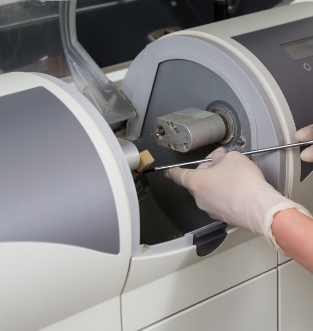
After the design is finalised, the data is transmitted to the CEREC milling unit. The milling machine uses diamond-coated burs to carve the restoration from a solid block of ceramic.

The process is fully automated and precisely controlled by computer guidance. The milling phase typically takes around 10 to 20 minutes, depending on the size and complexity of the restoration.

4. Fitting and Placement
Once milling is complete, the restoration is cleaned, polished, and adjusted for fit. The dentist verifies the contact, bite, and contour before bonding the restoration to the tooth.

In some cases, additional finishing, such as staining or glazing, may be performed to match surrounding teeth. The restoration is then bonded using adhesive dental materials and light-curing equipment to secure it in place.

Want to book a consultation Find your local Smile Collective Centre

1 / 0

Greensborough

Mooroolbark

Mount Eliza

Mornington

Oakleigh

Strathmore

Types of Restorations Made with CEREC

CEREC can be used for several types of indirect ceramic restorations. The main applications include:

  • Crowns: Full-coverage restorations placed over a tooth that has been structurally compromised.
  • Onlays and Inlays: Partial restorations that fit within or over the chewing surface of a tooth.
  • Veneers: Thin shells of ceramic material bonded to the front surfaces of teeth.
  • Bridges (limited cases): Single-unit restorations for short-span replacements, depending on design and clinical suitability.

The type of restoration depends on the extent of the damage, the strength needed, and the overall condition of your oral health. CEREC materials are chosen to meet both functional and aesthetic requirements, and every restoration is made and placed under the dentist’s supervision.

Clinical Uses of CEREC Technology

CEREC technology is suitable for a range of restorative and reconstructive applications, including:

  • Restoring decayed or fractured teeth
  • Replacing old or failing restorations
  • Creating new crowns or onlays for teeth with large fillings
  • Providing indirect restorations after root canal therapy
  • Fabricating veneers for teeth that require surface restoration

Each case is assessed to see if CEREC is suitable. In some situations, restorations may still need to be made through a dental laboratory, particularly for complex or multiple-tooth treatments.

The Role of Digital Precision in CEREC

CEREC works through a detailed digital process that helps ensure each step is accurate and carefully controlled. The scanning stage captures the exact shape and surface of your tooth, recording small details that may not be visible to the eye. This digital model helps the dentist measure how the new restoration should fit in your bite and align with neighbouring teeth.

The design software allows the dentist to view and adjust the shape, size, and contact points of the restoration before it is made. This helps ensure that once the restoration is placed, it sits comfortably within your bite and functions well during everyday use.

All information from the scan is stored digitally, allowing it to be reviewed later if any adjustments or replacement restorations are needed in the future. This digital record also helps maintain consistency and accuracy if further treatment is required.

Integration with Other Dental Technologies

CEREC works together with other digital tools at The Smile Collective to support detailed planning and coordinated care. These include:

  • CBCT Scanning – Used for three-dimensional imaging when a closer view of the bone and surrounding structures is needed.
  • Intraoral Photography – Provides clear images of your teeth before and after treatment for documentation and monitoring.
  • Digital Shade Matching – Helps select ceramic materials that blend naturally with your surrounding teeth.
  • 3D Printing – Used when models or surgical guides are needed as part of treatment planning.

These systems support accurate record keeping, allow for clear communication between dental professionals, and help ensure that each stage of care is well documented and monitored.

CEREC at The Smile Collective

Each of The Smile Collective’s six locations — Mount Eliza, Mornington, Oakleigh, Mooroolbark, Greensborough, and Strathmore — is equipped with CEREC digital technology.

CEREC assists with the design and placement of ceramic restorations, such as crowns, inlays, onlays, and veneers. Its use supports detailed planning, efficient treatment, and the accurate recording of each stage of care.

If you would like to learn more about CEREC or how it may apply to your dental needs, contact your nearest Smile Collective clinic to arrange a consultation.