

General DentistryChildren’s Dentistry

At The Smile Collective, we provide dental care for children and families at all six locations — Mount Eliza, Mornington, Oakleigh, Mooroolbark, Greensborough, and Strathmore. Care is centred on prevention, early assessment, and education to support good oral habits as children grow.

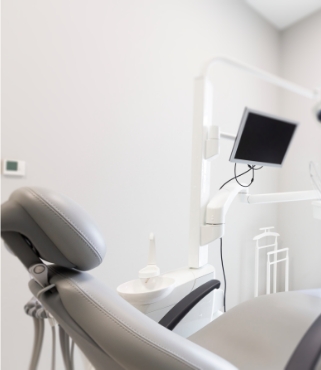
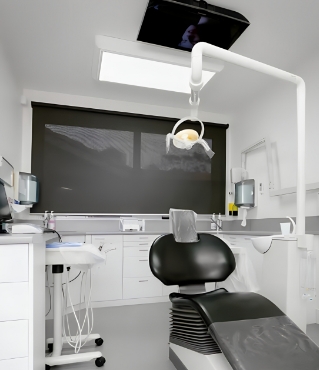
Children's dentistry, models image 1, The Smile Collective

Dental care during childhood plays an important role in helping to guide healthy oral development. From the first tooth through to the early and permanent dentition stages, regular monitoring and preventive visits help support comfort, function, and understanding of good daily care.

Why Children’s Dentistry Matters

A child’s mouth changes quickly as they grow, with new teeth emerging and jaw development taking place. Dental care that’s tailored for children takes into account their stage of growth, daily habits, and the small details that support ongoing prevention and comfort during visits.

Some important reasons to invest in children’s oral care:

  • Early detection and prevention: Dental decay is very common in Australian children — more than 40% of children may have some experience of tooth decay in early life. Early lesions often begin as subtle white-spot changes or surface demineralisation and can be managed more conservatively when found early.
  • Support for growth and development: Primary (baby) teeth guide the proper spacing and alignment for later permanent teeth. Losing baby teeth too early, or allowing disease to disrupt normal development, can affect how adult teeth come in.
  • Minimising future treatment burden: Children who engage with regular dental care tend to need less treatment over time. Preventive measures such as sealants, fluoride applications and careful monitoring reduce the risk of advanced decay or complex interventions.
  • Building positive experiences and habits: A child who learns that dental visits are safe, calm and caring is more likely to continue regular care into adolescence and adulthood.
  • Link to general health: Oral health is connected to overall well-being. Poor dental health in children can affect eating, speech, and sleep.

When Should Children First Visit the Dentist?

It’s recommended that children have their first dental visit soon after the first tooth appears, or by about 12 months of age. Early visits allow the dental team to monitor growth, provide advice on care at home, and help children become familiar with the dental setting.

After the first visit, regular check-ups are generally recommended every six to twelve months, depending on each child’s needs and oral condition.


What to Expect During a Children’s Dentistry Visit

A children’s dental appointment focuses on helping young patients feel at ease while learning about caring for their teeth. A typical visit may include:


Medical and Dental History Review
The dental team will ask about general health, growth, diet, habits (such as thumb-sucking or pacifier use), fluoride exposure, and oral habits at home.

Oral Examination
The dentist inspects erupted teeth, gums, soft tissues (tongue, cheeks, lips), and eruption patterns. Monitoring of spacing, jaw growth, and bite relationships may also begin.

Risk Assessment
The child’s risk of decay or gum disease is evaluated, considering factors like diet (frequency of sugar intake), home care routines, fluoride exposure, and family history.

Professional Cleaning
Plaque and soft debris are removed; gentle polishing may follow to smooth surfaces and reduce stains. Care is taken to protect sensitive tissues.

Fluoride Varnish or Application
If the child is at moderate to high risk of decay, a fluoride varnish or other fluoride product may be used to help strengthen enamel and reduce demineralisation.

Preventive Sealants (if appropriate)
In some cases, fissure sealants may be offered for molars with deep grooves. Sealants are a preventive barrier over the chewing surfaces, protecting against decay.

Guidance and Education
This is a key part of the visit: instruction on brushing technique (often caregiver-assisted until children are older), flossing or interdental aids, reducing sugary snacks and drinks, and ensuring consistent habits at home.

Monitoring and Follow-Up
The team will note areas of concern (early lesions, enamel wear, crowding, eruptive issues) and schedule more frequent monitoring or referrals as needed.

Want to book a consultation Find your local Smile Collective Centre

1 / 0

Greensborough

Mooroolbark

Mount Eliza

Mornington

Oakleigh

Strathmore

Common Concerns in Children’s Dentistry

Early Childhood Caries
Decay in baby teeth (sometimes called early childhood caries) may start as white spots near the gum, which can progress into brownish lesions or cavities. If not addressed, this can lead to pain, infection, or early tooth loss.

Night feeding, frequent sugary drinks, or the use of bottles with juice or sweetened fluids can exacerbate risk. Parents are advised to avoid putting a child to bed with sugary drinks and to encourage cup feeding after six months.

Tooth Eruption and Alignment
As permanent teeth begin to emerge, it is common to monitor for crowding, spacing issues, or misalignment. Early identification may lead to timely referrals or monitoring to guide orthodontic planning.

Oral Habits
Habits such as thumb-sucking, prolonged pacifier use or tongue thrusting may influence tooth positions or jaw development. The dental team may monitor or offer behavioural strategies or referrals if needed.

Trauma & Dental Injuries
Children are more prone to dental injuries (e.g. chipped or knocked-out teeth) in active play or sports. Proper management (first aid, prompt visit) is essential to improve chances of saving a tooth or reducing damage. Use of a custom-fitted mouthguard is strongly encouraged for children in contact sports.

Sensitivity or Discomfort
If children express tooth sensitivity (e.g. to cold, sweets), this may be an early warning sign of enamel loss or decay. The dentist will examine and monitor such areas carefully.

Preventive Strategies & Home Support

Prevention is the heart of children’s dentistry. Care at home plays a major role.

Brushing with Fluoride Toothpaste
Use a small smear (age < 2) or pea-sized amount (age ≥ 2) of fluoride toothpaste. Brushing should begin as soon as the first tooth appears, with caregivers assisting until the child is able to brush effectively.Limit Sugar Frequency
Frequent snacking or sipping on sugary drinks increases exposure to acids and decay risk. Encouraging water (especially fluoridated tap water) between meals supports oral health.

Balanced Diet
A diet rich in vegetables, whole grains, dairy or alternatives provides nutrients important for tooth structure and oral health.

Regular Dental Check-Ups
Attending regular dental visits helps the dental team identify changes early, provide preventive care, and support good daily habits.

Fluoride and Sealants
Professional topical fluoride and dental sealants are evidence-based supports for reducing decay risk, particularly in higher-risk children.

Children’s Dentistry at The Smile Collective

Our children’s dentistry services are available at all six Smile Collective clinics in Mount Eliza, Mornington, Oakleigh, Mooroolbark, Greensborough and Strathmore.

We aim to partner with families in building strong oral health foundations—through preventive care, attentive monitoring, safe procedures and education. For more information about children’s dental care or to book a visit, please contact your nearest Smile Collective clinic.