
EmergencyDental Care

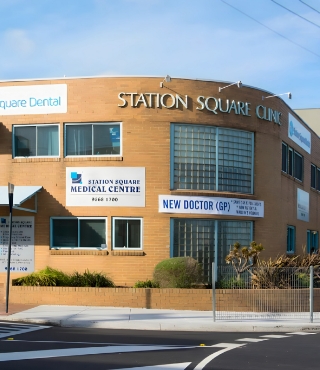
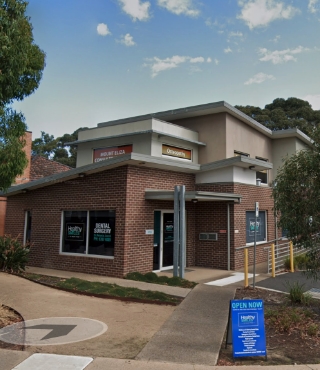
At The Smile Collective, we offer emergency dental care services across our clinics in Mount Eliza, Mornington, Oakleigh, Mooroolbark, Greensborough and Strathmore.

Emergency dental care & restorative dentistry 1, Orthodontics, orofacial care, The Smile Collective

Dental emergencies can arise unexpectedly, and having access to timely assessment and management helps protect oral health and reduce discomfort. Our team are prepared to respond to urgent dental issues, provide stabilising care, and guide patients on the steps to recovery.

What Constitutes a Dental Emergency?

A dental emergency refers to a situation that requires prompt attention to relieve severe pain, prevent further damage, or manage a threat to oral tissues. Examples include:

  • Sudden and severe toothache that cannot be controlled by over-the-counter pain relief
  • A tooth that has been knocked out (avulsed) or displaced
  • A fractured or broken tooth, especially when exposing sensitive roots or causing sharp edges
  • Swelling or infection in the mouth or jaw (abscess)
  • Trauma involving teeth, gums or jaw (e.g. after an accident)
  • Broken or loose dental restorations (crowns, bridges) causing pain or sharp edges
  • Bleeding that does not control under gentle pressure
  • A foreign object lodged between teeth that cannot be removed safely at home

Not all discomfort or dental pain is an emergency; minor sensitivity or mild discomfort may be managed with routine care. However, when symptoms escalate or persist, it should be treated as an urgent situation.

Common Causes of Dental Emergencies

Some factors that often lead to emergencies include:

  • Dental decay or cavities reaching the nerve
  • Cracked or fractured teeth from biting hard objects
  • Trauma from sports, falls or accidents
  • Advanced gum disease leading to abscesses
  • Failed dental or restorative work
  • Neglected prior dental issues

Being aware of risk factors and maintaining regular dental care can reduce the likelihood of emergencies, but readiness remains important.

What to Expect at an Emergency Appointment

When you visit The Smile Collective clinic for an urgent dental concern, the steps may vary depending on your situation, but most appointments include the following stages:

1. Assessment and History
The dental team will check how urgent the problem is and ask about your medical history, medications, allergies, and any recent health changes.

2. Examination and Imaging
The dentist will look at the affected area and surrounding tissues. X-rays or other images may be taken to help identify the cause and assess any damage.

3. Diagnosis and Care Planning
After examining the area, the dentist will decide what immediate care is needed. Some concerns can be managed immediately, while others may need follow-up visits or referral to a specialist.

4. Treatment During the Visit
Depending on the situation, care may involve cleaning and dressing the area, draining an abscess, removing a damaged tooth, reattaching a broken piece, stabilising a displaced tooth, or repairing existing dental work.

5. Pain Relief and Infection Control
A local anaesthetic may be used to make the procedure more comfortable. If there is an infection, antibiotics may be prescribed. Pain relief advice will also be discussed.

6. Aftercare and Follow-Up
You will be given instructions for caring for the area at home, including how to keep it clean, what foods are suitable, and when to come back for another appointment if needed.
The goal of an emergency visit is to relieve discomfort, protect the affected area, and reduce the chance of further complications.

Want to book a consultation Find your local Smile Collective Centre

1 / 0

Greensborough

Mooroolbark

Mount Eliza

Mornington

Oakleigh

Strathmore

Aftercare and Recovery

Recovery time can vary depending on the type of dental emergency and each patient’s general health. The following steps can help support healing:

Follow the instructions provided
Take any prescribed medication as directed, keep the area clean, and rest for the first day or two.

Eat soft foods
Choose soft, cool foods and drinks at first. Avoid hard, crunchy, or hot foods that could irritate the area.

Keep up gentle oral care
Continue brushing other teeth as normal, but avoid the area that was treated. If advised, you can rinse gently with salt water after 24 hours.

Use cold compresses if needed
Applying a cold pack to the outside of the face can help manage swelling during the first one to two days.

Watch for changes
If pain, swelling, bleeding, or fever increase, contact the clinic for advice or an appointment.

Attend any follow-up visits
These allow the dentist to check how the area is healing and to complete any further care that may be required.

Healing time varies for each patient. Some recover within a few days, while others may need longer, depending on the type of care received.

Special Considerations & Risks

Each dental emergency is different, and some factors can affect how care is managed or how healing progresses:
Medical Conditions

Patients with conditions such as diabetes, bleeding problems, or lowered immunity may take longer to heal or have a higher chance of complications. The dentist will plan treatment carefully and may work with the patient’s doctor if needed.

Medications
Some medicines, including blood thinners and medications for bone or immune conditions, can affect bleeding and recovery. The dental team will review current medications and adjust care as required.

Type of Injury
More severe injuries can involve the jaw, joint, or nearby structures. In these cases, referral to an oral surgeon or hospital care may be recommended.

Delays in Care
Waiting too long to seek help can make infections worse or lead to more complex treatment. It is best to contact a clinic as soon as possible if pain, swelling, or trauma occurs.

Broken Tooth Fragments
If part of a tooth breaks off, the dentist will assess whether the fragment can be safely removed or should be left in place.

Tooth Survival
In some injury cases, a tooth may not recover even after prompt care. Extraction may be required to prevent further issues.
All treatment options, risks, and limitations are explained before care begins, allowing patients to understand their situation and the proposed plan.

Preventing Dental Emergencies

Not every dental emergency can be prevented, but a few daily habits can help lower the risk:

  • Visit the dentist regularly so that problems like tooth decay or small cracks can be found early.
  • Wear a custom-fitted mouthguard when playing contact sports or activities that carry a higher chance of impact.
  • Avoid chewing on hard items such as ice, pens, or nuts, as these can damage teeth.
  • If you grind your teeth at night, talk to the dentist about a night guard or other ways to protect your teeth.
  • Have old or damaged fillings checked and repaired when needed.

Taking these simple steps can help reduce the chance of unexpected dental problems.

Emergency Dental Care at The Smile Collective

Emergency dental care is available across The Smile Collective’s six locations in Mount Eliza, Mornington, Oakleigh, Mooroolbark, Greensborough, and Strathmore.

Our aim is to provide timely assessment, stabilisation, and guidance while maintaining patient safety and professionalism. Our team understands that urgent dental concerns can arise unexpectedly, and we prioritise careful evaluation and appropriate care. If you experience a dental emergency or significant discomfort, please contact your nearest Smile Collective clinic so we can assist as promptly as possible.