
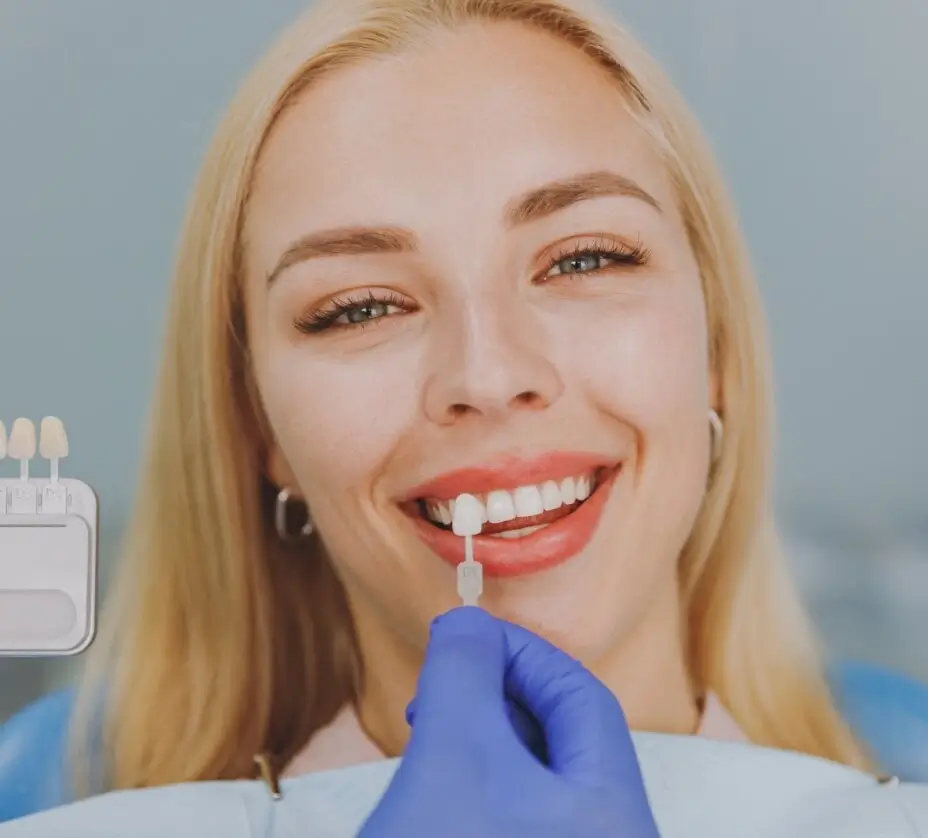

Porcelain veneers can be a treatment option for patients who want to change the colour, shape, or surface of one or more teeth. When considering porcelain veneers, one of the most common questions is how long they last and what factors influence their lifespan. While they are not a permanent solution, they can remain in place for many years with proper care and monitoring. Understanding how they work, the factors affecting their lifespan, and the care required can help you decide whether they are suitable for your situation.
What are porcelain veneers?
These restorative dental treatments are thin ceramic layers that are bonded to the front surface of a tooth. They are made in a dental laboratory and shaped to fit each tooth individually. You are a suitable candidate for porcelain veneers if you want to address marks, colour changes, chips, or surface irregularities on natural teeth. With the right application, porcelain veneers can help address cosmetic concerns on the tooth while allowing it to function normally for biting and chewing.
How long do porcelain veneers usually last?
If you are planning to have this restorative dental treatment, you may wonder how long they usually last. In general, they can last for many years, but their lifespan varies from patient to patient. Some veneers may remain in place for ten years or longer with the right care. However, some may need adjustment or replacement earlier than expected. It is important to keep in mind that the length of time porcelain veneers last depends on factors such as your oral hygiene, bite forces, daily habits, and how well you care for them over time.
Are porcelain veneers permanent?
They are not considered permanent because they may need adjustment or replacement. During this treatment, a small amount of enamel will be removed from your tooth before a veneer is placed. Therefore, the treated tooth will always require some form of coverage in the future. Additionally, factors such as wear, changes in the mouth, or damage can affect the condition of veneers, necessitating replacement at some point.
Does oral hygiene affect veneer longevity?
Good oral hygiene is important for porcelain veneers because decay or gum problems can develop around the edges if plaque is not controlled. If you have veneers, it is recommended that you brush your teeth at least twice a day using fluoride toothpaste and clean between teeth using dental floss to protect the veneer margins and the underlying tooth structure. While poor oral hygiene does not damage the porcelain itself, it can have a negative effect on the tooth supporting the veneer.
Can porcelain veneers chip or break?
While porcelain is strong, it can chip or crack if exposed to strong force. For instance, if you bite hard objects such as ice, pens, or fingernails, the veneers can get damaged. In addition, accidents or trauma to the mouth can also cause the veneers to chip or break. If a veneer is damaged, it may need repair or replacement. To help reduce the risk, avoid habits that may damage the veneers and speak with a dental professional if you are experiencing excessive teeth grinding or clenching.
Do porcelain veneers change colour over time?
Porcelain veneers resist surface staining better than natural tooth enamel. However, the surrounding natural teeth may change colour over time due to diet or ageing. As a result, the veneers and nearby teeth can be different in colour when you compare them. In addition, the bonding material at the edges may also change in appearance over time; that’s why it is important to visit the dentist regularly for monitoring of any changes, such as early signs of wear.
How can you look after porcelain veneers day to day?
Looking after porcelain veneers is similar to caring for your natural teeth, but it also helps to watch a few daily habits. Brush your teeth gently twice a day and clean between your teeth each day using dental floss, as plaque can still build up around the edges of the veneers. In addition, you should avoid habits that may damage the veneers, like biting hard items, as this can place extra force on the veneers. It is also recommended to use a non-abrasive toothpaste and a soft toothbrush to protect the surface over time. If you grind or clench your teeth excessively, consult with a dental professional to help protect your teeth and veneers.
Why choose the smile collective for porcelain veneers treatment
The Smile Collective provides porcelain veneer assessment and treatment across six clinics in Mount Eliza, Mornington, Oakleigh, Mooroolbark, Greensborough, and Strathmore. During consultations, the dental team checks your teeth and oral health carefully and provides clear information about your options before any veneers are placed. This helps you make an informed choice and supports long-term function for biting and chewing.
Planning for porcelain veneers includes checking your tooth structure and how your teeth come together when you bite and chew. This helps ensure veneers are placed in a way that supports normal function. The dental team will also discuss what changes may be needed to your teeth and what you can expect from the process.
After veneers are placed, you will be given simple advice on day-to-day care and what to avoid. Regular check-ups at The Smile Collective can help monitor your veneers and your oral health over time. This means veneers are managed as part of your long-term dental care, not just a one-time appointment.