
SleepDentistry

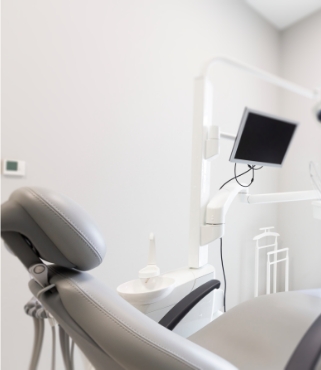
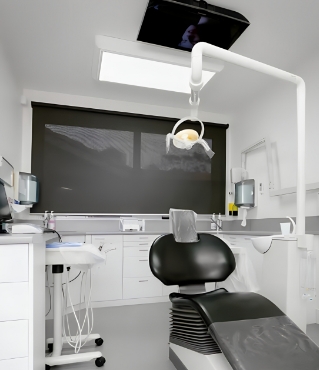
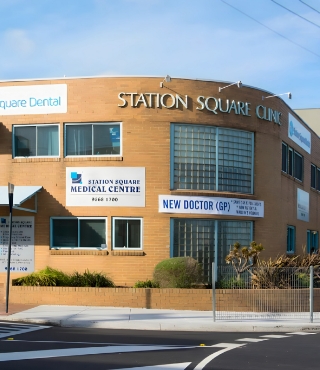
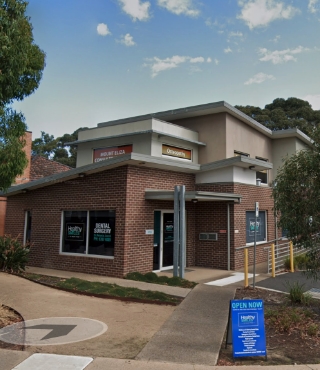
At The Smile Collective, we provide options for sedation dentistry (often called sleep dentistry) across our six clinics in Mount Eliza, Mornington, Oakleigh, Mooroolbark, Greensborough and Strathmore.

Sleep dentistry, models 1, The Smile Collective

Sedation may help patients who feel anxious, uneasy, or uncomfortable during dental procedures to receive care in a calmer, more relaxed state.

Sleep dentistry does not guarantee sleep. It involves providing a controlled environment that helps patients feel calm and supported during dental care. The type and level of sedation depend on each patient’s health, the procedure, and their level of comfort.

Why Consider Sleep Dentistry?

Dental anxiety is a common barrier to receiving care. Some patients avoid treatment altogether because of past negative experiences, fear of pain, a strong gag reflex, or difficulty tolerating lengthy procedures. For these individuals, sedation can make treatment more accessible.

Here are some of the reasons patients might consider sedation:

  • To reduce fear or anxiety that would otherwise prevent them from attending
  • When undergoing longer, more invasive or complex procedures
  • For patients who have difficulty remaining still or comfortable
  • For individuals with strong gag reflexes
  • To allow multiple procedures to be completed in fewer visits

However, sedation is not appropriate for every patient or every procedure. A careful assessment is required to verify safety, suitability, and to choose the appropriate method.

Understanding Sedation in Dentistry

Sedation is sometimes used in dentistry to help patients feel calm and comfortable during certain procedures. The level of sedation can vary depending on individual needs, the type of treatment, and the setting in which care is provided.

In Australia, the use of sedation in dental care is regulated. Dental professionals who provide sedation must follow strict standards set by the Dental Board of Australia and other relevant authorities.


The following are the levels of sedation:

  • Minimal sedation (anxiolysis): You remain awake and aware but feel relaxed and calm throughout the appointment.
  • Moderate (conscious) sedation: A deeper level of relaxation where you may feel drowsy but can still respond when spoken to.
  • Deep sedation or general anaesthesia: A state in which you are not easily roused or may be fully asleep. This level of sedation is generally provided in hospital or specialist facilities.

In most dental settings, sedation is offered within the minimal to moderate range. In some cases, care requiring general anaesthesia may be coordinated with a hospital or appropriately equipped facility.

Before any form of sedation, a thorough assessment is completed to review medical history, current medications, and suitability. During the procedure, patients are monitored closely to ensure comfort and safety at every stage.

Want to book a consultation Find your local Smile Collective Centre

1 / 0

Greensborough

Mooroolbark

Mount Eliza

Mornington

Oakleigh

Strathmore

What Happens During Sedation Dentistry

The process depends on the type of sedation used, but generally follows a few key steps. Before the procedure begins, your vital signs — such as breathing and blood pressure — are checked and monitored throughout the appointment.

Sedation may be given as a gas, tablet, or through a small tube in the arm. Local anaesthetic is also used to numb the area being treated. During the procedure, your comfort and responsiveness are carefully monitored at all times.

After the dental work is complete, you’ll remain under supervision while the effects of the sedation wear off. Once you are alert and stable, you can leave the clinic with your support person, who will receive clear aftercare instructions.

Considerations and Risks

Sedation can cause temporary effects such as drowsiness, light-headedness, or nausea after the appointment. Some patients may feel unsteady for a short time. Not everyone is suited to sedation, as certain medical conditions or medications may make it unsuitable.

More complex types of sedation, including deep sedation or general anaesthesia, can carry higher risks and are usually provided in hospital or specialist settings. During all sedation procedures, patients are monitored to help keep the process within regulated safety standards.

Aftercare and Recovery

Care after sedation is an important part of the process. Patients are usually advised not to drive, use machinery, or make major decisions for at least 24 hours. A responsible adult should go with the patient and stay with them for the rest of the day. Soft foods and fluids are recommended once the patient feels ready, and alcohol or unapproved medications should be avoided.

If symptoms such as increasing pain, bleeding, dizziness, or breathing difficulty occur, a dental or medical review should be arranged. Any prescribed medication should be taken only as directed. Following post-sedation instructions helps support a safe recovery during the first 24 hours.

Who Sedation May Be Suitable For

Sedation can be an option for some patients, but it is not suitable for everyone. It may be considered for those who:

Tips for aftercare include:

  • Feel anxious about dental treatment
  • Need longer or more complex procedures
  • Find it difficult to manage with local anaesthetic alone

There are also situations where sedation may not be recommended. This can include patients with certain medical conditions, airway or breathing concerns, allergies to sedative medicines, or those who are pregnant.

Each patient is assessed individually based on their health, treatment needs, and the type of sedation available at the clinic.

Patient Information and Decision-Making

At The Smile Collective, patients (or guardians) are fully informed before any sedation is provided. Clear information is given about what sedation involves, the available options, and any related risks or considerations.

Before sedation, discussions usually cover:

  • The purpose of using sedation
  • What happens before, during, and after the procedure
  • Alternatives such as treatment without sedation
  • Possible risks and limitations
  • Preparation and aftercare instructions
  • The use of a local anaesthetic, as sedation does not remove all sensation

These conversations help ensure patients understand the process and can make informed decisions about their care.

Sleep Dentistry at The Smile Collective

Sleep dentistry is available at The Smile Collective’s six locations — Mount Eliza, Mornington, Oakleigh, Mooroolbark, Greensborough, and Strathmore. Availability depends on the type of sedation, the facility, and an individual clinical assessment.

The focus is on comfort, safety, and clear communication. Patients who want to learn more about sedation or find out whether it may be suitable can contact their nearest clinic to arrange a consultation.