
Snoring and Sleep Apnoea

Snoring and sleep apnoea care are available at all six Smile Collective clinics in Mount Eliza, Mornington, Oakleigh, Mooroolbark, Greensborough and Strathmore.

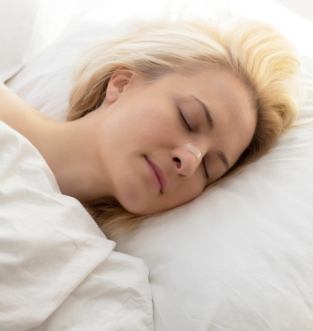
Snoring and sleep apnoea, patient img

Snoring and sleep apnoea are conditions that affect breathing during sleep and may impact rest and overall well-being. Snoring occurs when airflow is partially restricted, causing tissues in the airway to vibrate. In some people, this may also be associated with a more complex breathing disorder known as sleep apnoea, where breathing pauses or becomes shallow during sleep.

Sleep apnoea can lead to disturbed sleep patterns and reduced oxygen levels in the body, affecting energy, alertness, and concentration. Because it can influence general health, identifying and managing the causes of disrupted breathing during sleep is important.

What Causes Snoring

Snoring happens when air moves through a narrowed airway, creating vibration in the tissues of the mouth and throat. This can be caused by several factors, including:

  • Relaxation of throat muscles during sleep
  • Nasal congestion or blockage
  • Sleeping on the back, which can allow the tongue to move backward
  • The shape of the soft palate or throat
  • Body weight and tissue volume around the neck
  • Alcohol or sedative use before bedtime, which relaxes airway muscles

Snoring varies in frequency and intensity from person to person. While occasional snoring may not indicate a health issue, ongoing snoring may suggest reduced airflow or the presence of obstructive sleep apnoea.

Understanding Sleep Apnoea

Sleep apnoea is a condition where breathing repeatedly slows or stops during sleep. The most common type is obstructive sleep apnoea (OSA), which occurs when the muscles at the back of the throat relax too much, narrowing or blocking the airway. Less commonly, central sleep apnoea involves the brain not sending proper signals to the muscles that control breathing.

When breathing pauses, oxygen levels in the blood can drop slightly, causing the body to briefly wake up to start breathing again. This may happen several times during the night, often without the person realising, which can lead to tiredness or poor-quality sleep.

Common Signs and Symptoms

The signs of snoring and sleep apnoea may vary but can include:

  • Frequent snoring
  • Pauses in breathing during sleep, often noticed by a partner
  • Restless or disrupted sleep
  • Waking up gasping or choking
  • Dry mouth or sore throat upon waking
  • Morning headaches
  • Daytime tiredness or reduced concentration
  • Feeling unrefreshed after sleep

Because symptoms can overlap with other conditions, professional assessment is recommended to confirm the cause.

How Dentists Can Assist

Dentists may notice signs that suggest possible breathing issues during sleep. During an examination, they might see signs such as tooth wear from clenching, marks along the tongue, or hear reports of disturbed sleep or tiredness.

Although only a sleep physician can diagnose sleep apnoea, dentists can help identify these signs and support coordinated care. In some cases, they may provide oral appliances that help keep the airway open while sleeping, as part of a broader treatment plan.

Oral Appliance Therapy

Oral appliances, also called mandibular advancement splints, are custom-fitted devices worn during sleep. They gently reposition the lower jaw forward, which helps to keep the airway open.

These appliances may be suitable for individuals with mild to moderate obstructive sleep apnoea or persistent snoring. They are lightweight, removable, and designed for comfort.


Assessment and Care Process


Initial Consultation
The dentist or doctor will begin by reviewing your medical history, lifestyle habits, and symptoms such as tiredness or interrupted sleep. You may be asked to complete a short questionnaire about your sleep patterns.

Sleep Study
If sleep apnoea is suspected, a sleep study is conducted either at home or in a clinic. The study monitors breathing, oxygen levels, and movement during sleep to determine whether apnoea is present and how severe it may be.

Care Planning
After diagnosis, your healthcare providers will discuss suitable options. Mild or moderate cases may benefit from oral appliance therapy, while more severe cases might require continuous positive airway pressure (CPAP) therapy or other medical treatments.

Appliance Fabrication and Fitting
If an oral appliance is recommended, impressions or digital scans of your teeth are taken to create a custom device. The dentist will ensure the fit is comfortable and explain how to use and care for it.

Follow-Up and Review
Regular review appointments help confirm the appliance remains effective and comfortable. Adjustments can be made as needed, and communication with your sleep physician ensures coordinated care.

Want to book a consultation Find your local Smile Collective Centre

1 / 0

Greensborough

Mooroolbark

Mount Eliza

Mornington

Oakleigh

Strathmore

Lifestyle and Preventive Measures

In addition to professional treatment, certain daily habits can support better breathing and sleep quality:

  • Sleeping position – Sleeping on your side may help keep the airway open.
  • Healthy weight management – Reducing excess weight can improve airflow.
  • Avoid alcohol or sedatives before bed – These substances relax throat muscles and may worsen obstruction.
  • Maintain consistent sleep routines – Going to bed and waking at similar times supports healthy sleep cycles.
  • Exercise regularly – Physical activity can benefit general health and breathing patterns.
  • Address nasal congestion – Treating allergies or sinus issues may improve airflow through the nose.

These measures complement other forms of care and may help reduce symptoms.

Possible Risks of Untreated Sleep Apnoea

Untreated sleep apnoea can have a gradual impact on daily function and health. Over time, reduced oxygen levels and poor-quality sleep may contribute to:

  • Daytime fatigue and reduced alertness
  • Difficulty concentrating
  • Elevated blood pressure
  • Changes in mood or energy levels
  • Irregular heart rhythms
  • Increased risk of accidents caused by tiredness

With proper assessment and ongoing care, the factors affecting sleep can be addressed to help support more comfortable and consistent rest.

Collaborative Approach to Care

Managing snoring and sleep apnoea often involves teamwork between dental and medical professionals. Dentists, sleep physicians, and general practitioners may work together to develop a coordinated plan tailored to each individual’s needs.

This collaborative approach ensures that oral appliance therapy is used safely and effectively, alongside medical or lifestyle strategies where required.

When to Seek Professional Advice

It’s important to seek assessment if you notice:

  • Regular snoring that disturbs your rest or your partner’s
  • Frequent waking with gasping or choking
  • Ongoing tiredness or morning headaches
  • Difficulty staying awake during the day

Early evaluation can help identify the cause and guide appropriate management. Even simple measures can often make a noticeable difference to comfort and rest.

Snoring and Sleep Apnoea Care at The Smile Collective

Snoring and sleep apnoea care are available at all six Smile Collective clinics in Mount Eliza, Mornington, Oakleigh, Mooroolbark, Greensborough, and Strathmore.

The dental team reviews symptoms, works with medical practitioners when needed, and may provide custom oral appliances if suitable. Each care plan is developed around individual needs, with ongoing follow-up to support comfort and function.

If you experience disturbed sleep, loud snoring, or signs of interrupted breathing, contact your nearest Smile Collective clinic to arrange a consultation.