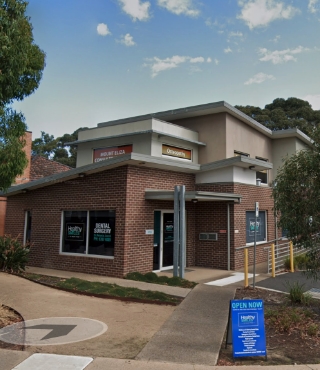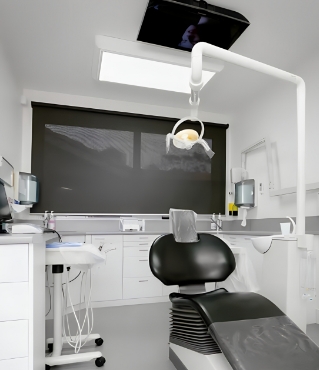


Each appointment includes a detailed evaluation, discussion of suitable options, and guidance on care before and after the procedure.
Wisdom teeth (also called third molars) are the final molars to emerge in the back of the mouth, typically between the late teenage years and early adulthood. While some people experience no issues, others may face pain, infection, or impact on neighbouring teeth. Removing wisdom teeth requires careful planning, assessment, and aftercare to manage risks and support recovery.
Understanding Wisdom Teeth
Most wisdom teeth start to develop in the late teens, though eruption may occur later. Some appear fully, some partially, and some remain impacted (not fully emerged). The timing and pattern vary significantly between individuals.
Why Problems Can Arise
Because wisdom teeth are so far back in the mouth, they often have limited space to emerge properly. Problems that may arise include:
- Impaction: the tooth is blocked by bone or soft tissue and cannot emerge fully
- Angulation issues: the tooth may push against neighbouring molars
- Partial eruption: exposing part of the tooth to the mouth, making cleaning difficult
- Infection or pericoronitis: inflammation of the gum flap over partially emerged teeth
- Cysts or damage: rarely, cystic changes or damage to adjacent teeth may occur
Not all wisdom teeth cause symptoms or complications, but evaluation is important to monitor for potential issues.